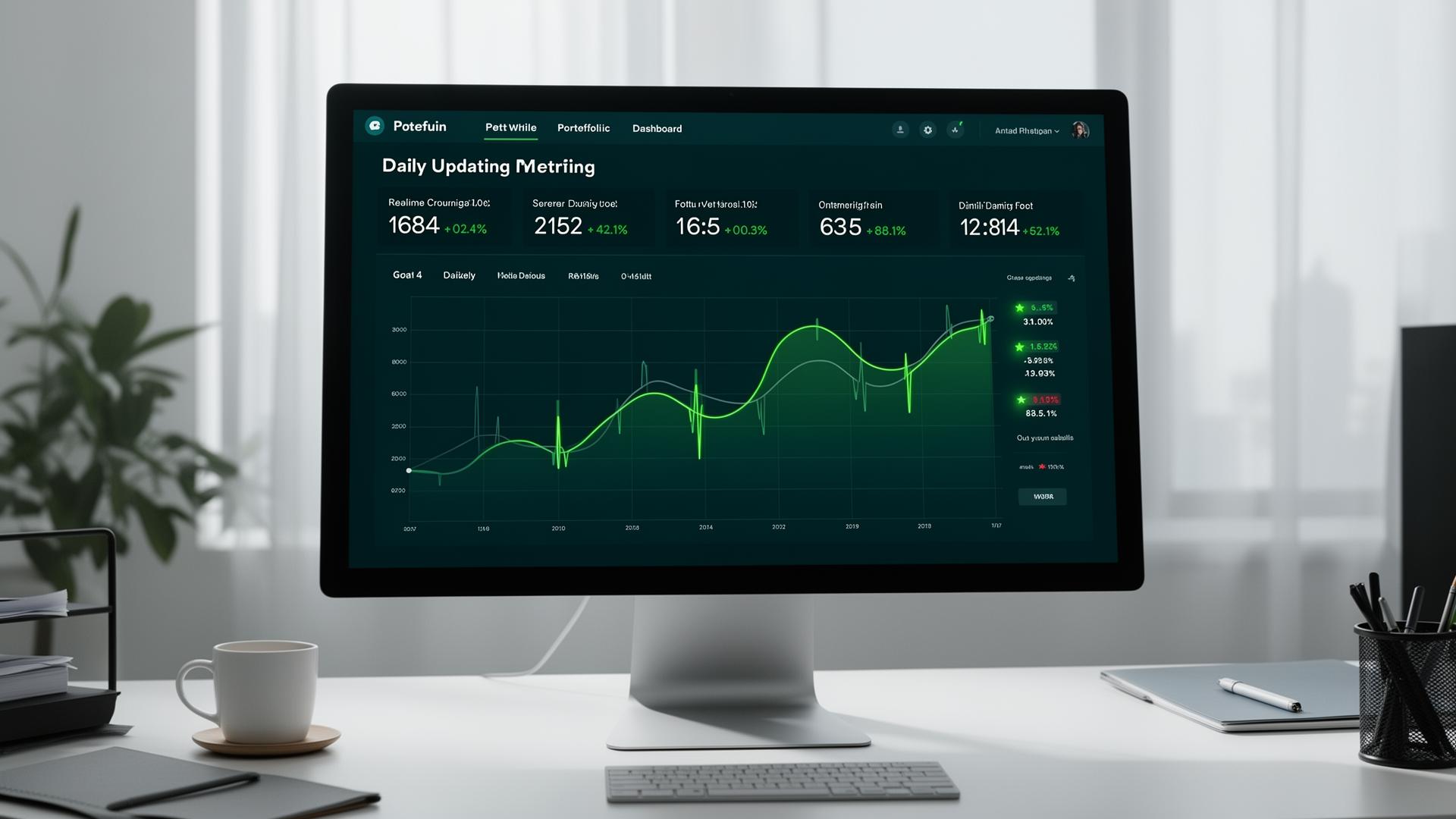
For the first time in the history of venture capital, it's actually possible to know your portfolio every day.
Not quarterly when you do valuations. Not annually when your CFO preps for the audit. Not "whenever someone gets around to updating the spreadsheet." Every single day.
This used to be fantasy. The cost of processing 400+ documents per portfolio company per year, normalizing the data, validating it, and keeping it continuously updated was prohibitive. You'd need a team of analysts. You'd need infrastructure. You'd need systems that talked to each other. You'd need someone babysitting the whole thing 24/7.
Now you just need AI.
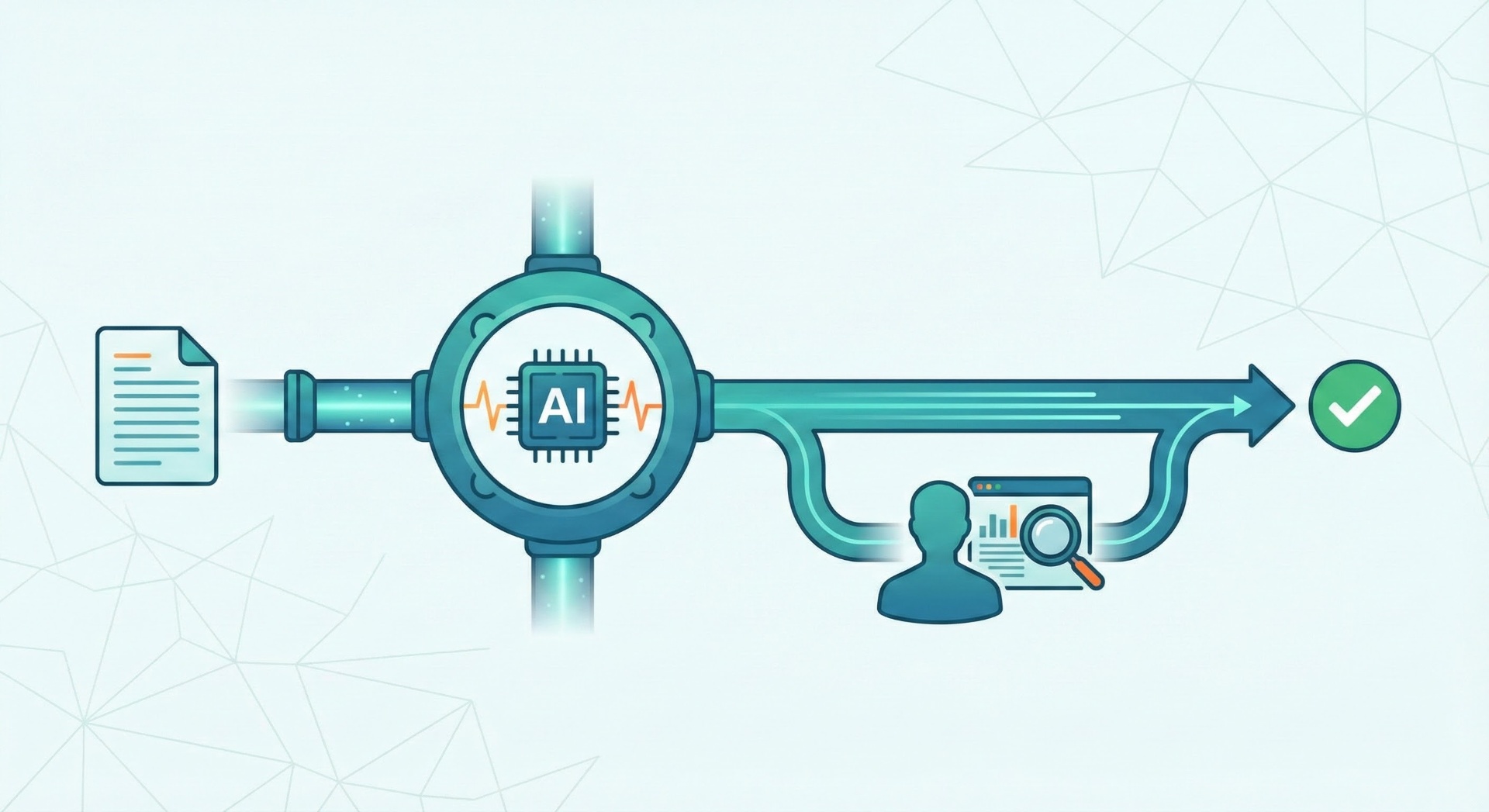
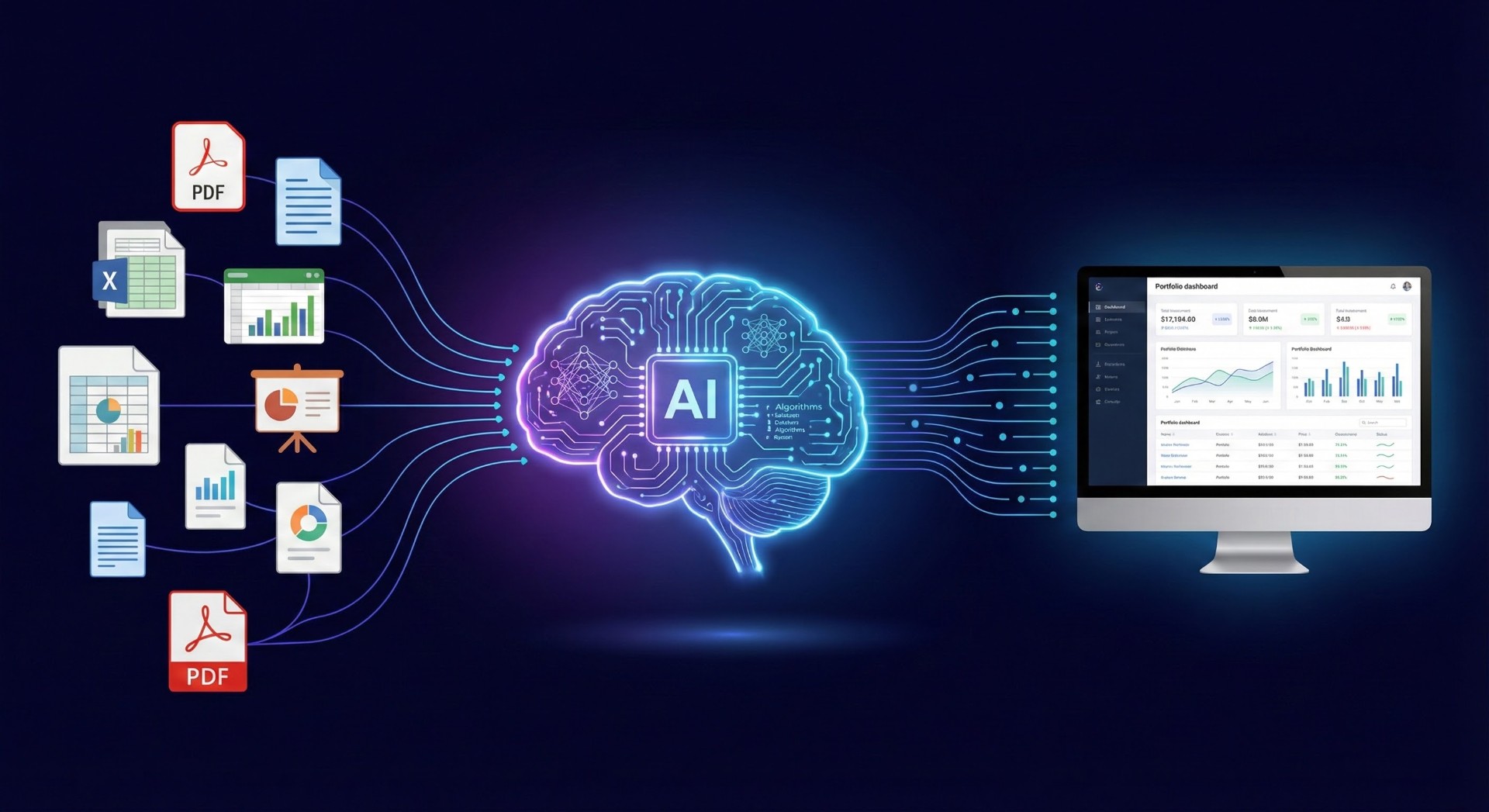
For the first time, you can take the flood of unstructured data that flows from your portfolio companies - closing packets, cap tables, board decks, financial statements, founder emails, shareholder updates - and transform it into clean, structured intelligence. Continuously. In real time. Without manual reconciliation. Without waiting.
The question isn't "can we do this?" anymore. The question is: can you afford not to?
Think about what your competitors are doing with this level of insight right now.
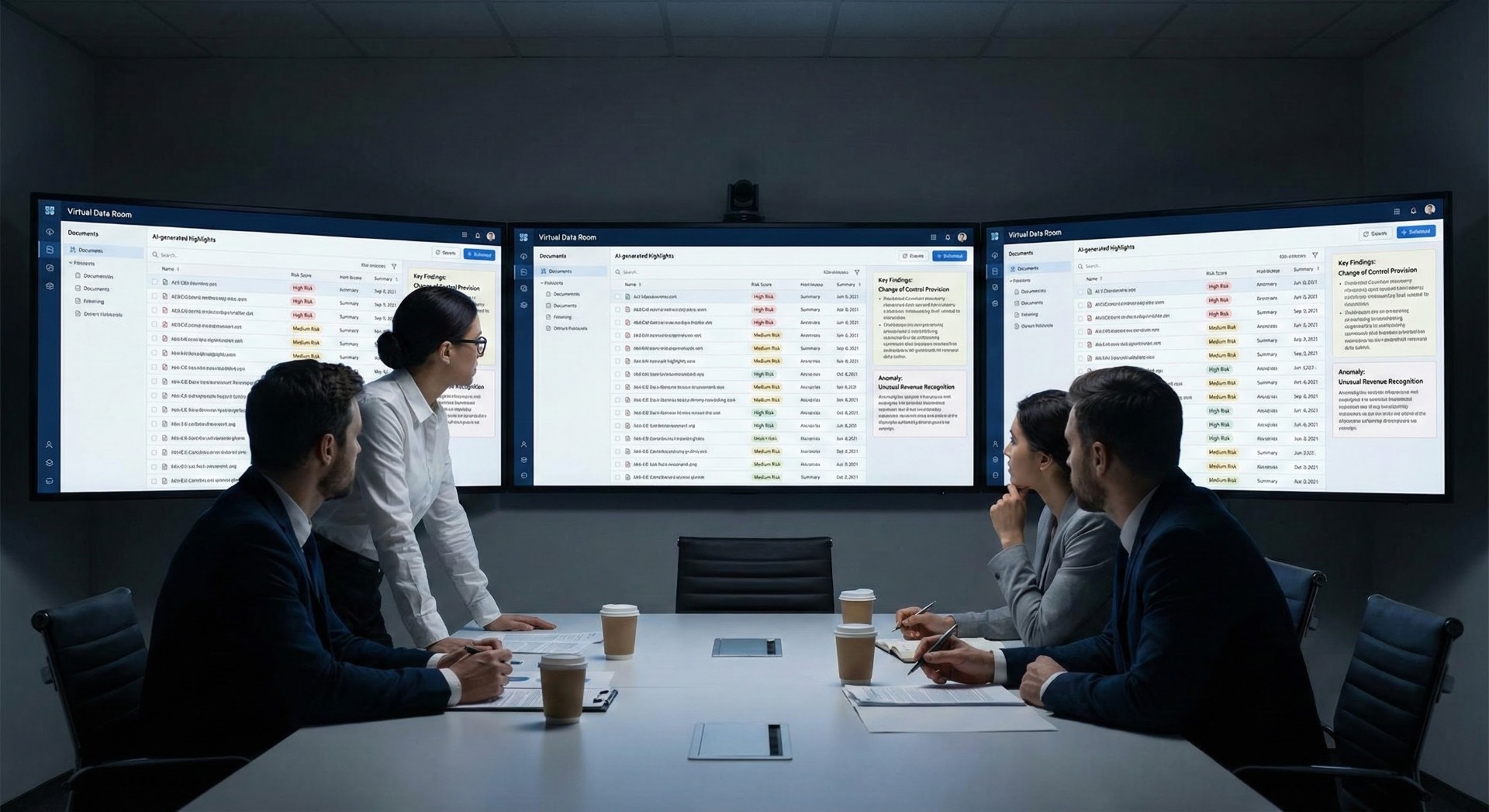
They're catching underperforming companies earlier because they can see the trend in the data as it arrives, not six months later when the damage is obvious. They're identifying breakout companies before the next round oversubscribes because they actually know which ones have inflected. They're walking into LP meetings with real-time narratives backed by actual data - not stories constructed from memory and quarterly check-ins.
They're building portfolios with precision instead of instinct because they finally know what they actually own.
Portfolio monitoring used to be a back-office function. Something the ops team handled. Necessary but not strategic. Something you did because you had to, not because it drove real business value.
That's completely reversed now.
Real-time portfolio intelligence is a competitive imperative.
Here's why: information advantage in venture is already compressed. Most deals are oversubscribed. Your investment thesis is probably not that differentiated from five other firms looking at the same company. Your ability to win deals increasingly depends on speed, domain expertise, and insight into what's actually happening with the companies you've already funded.
That last part - insight into your own portfolio - is where the advantage is hiding.
The GPs who know their positions every day can do something their competitors can't: they can give better advice to their portfolio companies because they actually know what's changing. They can deploy capital more effectively because they're not flying blind. They can communicate better with their LPs because they're not guessing about performance. They can identify which investments are actually driving value and which ones are drifting.
The GPs who don't have this - who are still working with quarterly snapshots and manually updated spreadsheets - keep making decisions on stale data. And they keep wondering why they keep missing signals that everyone else seemed to catch.
There's a psychological element here too. Real-time data changes how you think about risk. When you see a warning sign on a Friday afternoon instead of a quarterly review, you can actually do something about it. When you notice a cap table inconsistency three days after the paperwork arrives instead of three weeks later, you can flag it with precision. When you see a founder email with an embedded financial update, you're working with current information instead of a digest filtered through someone's memory and interpretation.
The shift from quarterly to continuous is bigger than a workflow change. It's a mindset change. It's moving from "let me check on this" to "I know this" - and that knowledge arriving continuously, automatically, without anyone having to ask for it.
At GoodStream, we built exactly this. AI-native, real-time portfolio intelligence for private capital firms that want to operate like it's 2026 instead of 2016.
Are you ready to know what you actually own?