Why fund operations is ground zero for AI in private markets
Most conversations about AI in private equity and venture still start with:
- Deal sourcing and proprietary signal
- Portfolio company value creation
- Fancy use cases in pricing, underwriting, or go-to-market
Those matter. But if you talk to CFOs, COOs, and controllers, the place where AI can move the needle fastest is usually the fund's operating spine:
- Document intake and data collection
- Valuations and LP reporting workflows
- Reconciliations, compliance checks, and audit prep
This is where the work is structured enough to automate, painful enough to justify investment, and important enough that quality matters.
Three categories of AI use cases in fund operations
A useful way to think about AI in fund ops is in three buckets.
1. Document and data workflows
Examples:
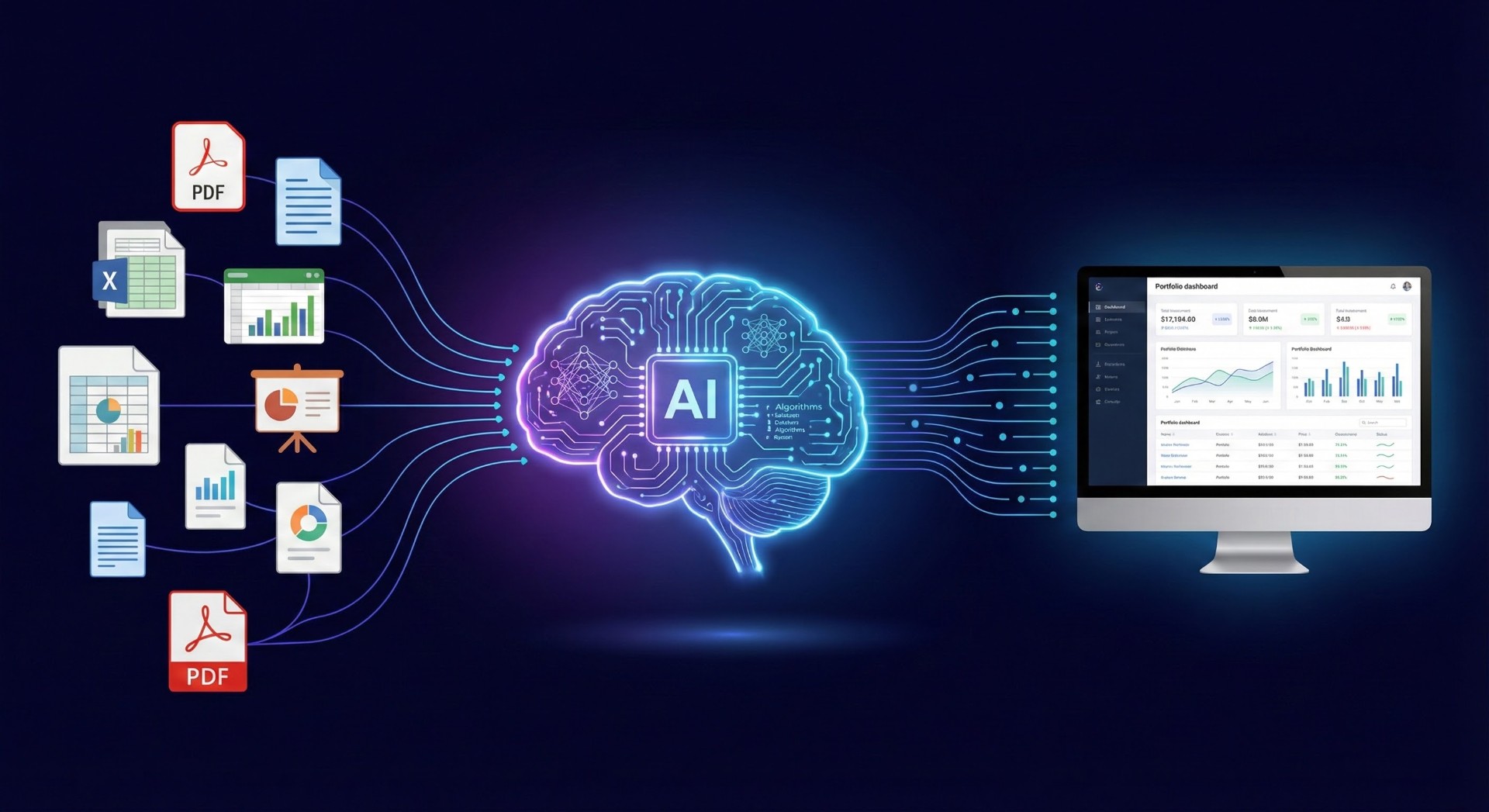
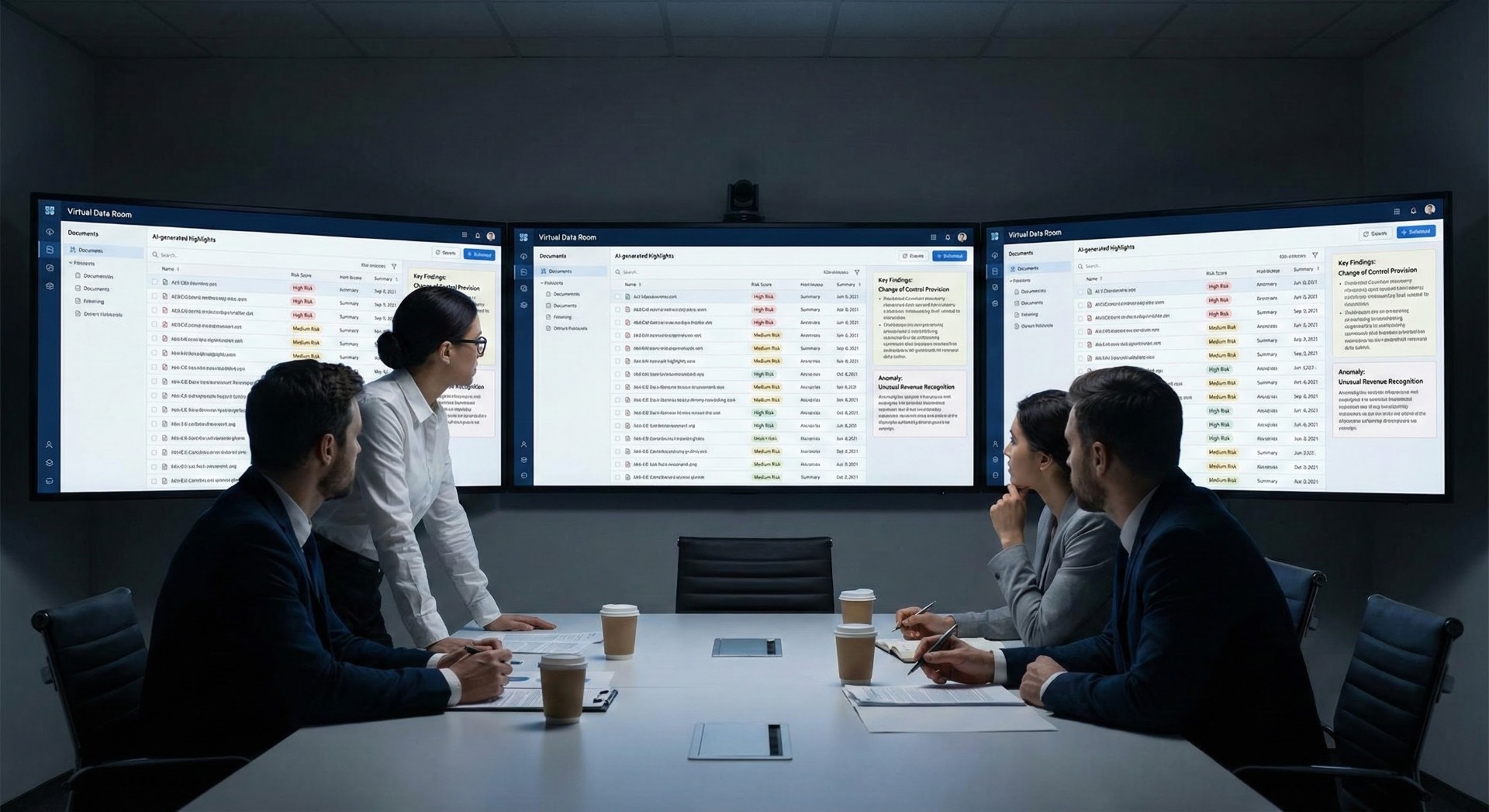
- Classifying incoming documents from data rooms, email, and portals
- Extracting structured data from SPAs, LPAs, side letters, financials, and board decks
- Normalizing portfolio company metrics across inconsistent formats
This is the foundation for everything else.
2. Reporting and communications
Examples:
- Drafting LP reporting narratives from structured data
- Preparing first drafts of valuation memos or board summaries
- Generating responses to routine investor queries based on approved knowledge bases
The key is to treat AI as a drafting assistant, not as the final word.
3. Risk, compliance, and QA
Examples:
- Identifying anomalies in fees, expenses, or capital activity
- Checking disclosures and marketing materials for consistency with fund documents
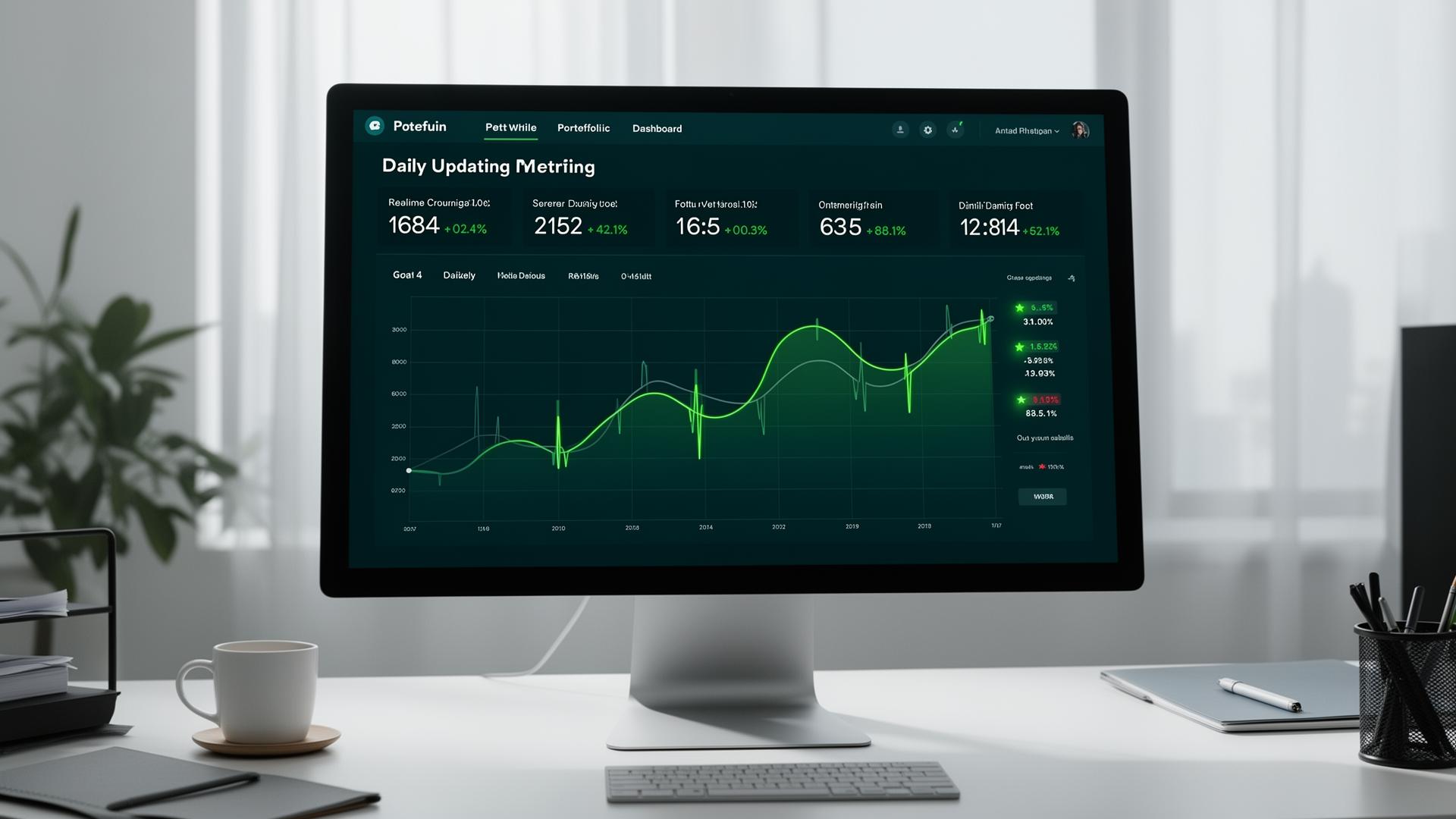
- Monitoring for missing or stale data in the portfolio system
Here AI is essentially a tireless reviewer.
Use case deep dives: what good looks like
AI-assisted document ingestion
Problem: Your team spends weeks every quarter pulling data out of documents into systems and spreadsheets.
AI play:
- Use models to classify documents as they arrive and route them to the right workflow.
- For each document type, define a schema (fields) and use AI to extract those fields into structured tables.
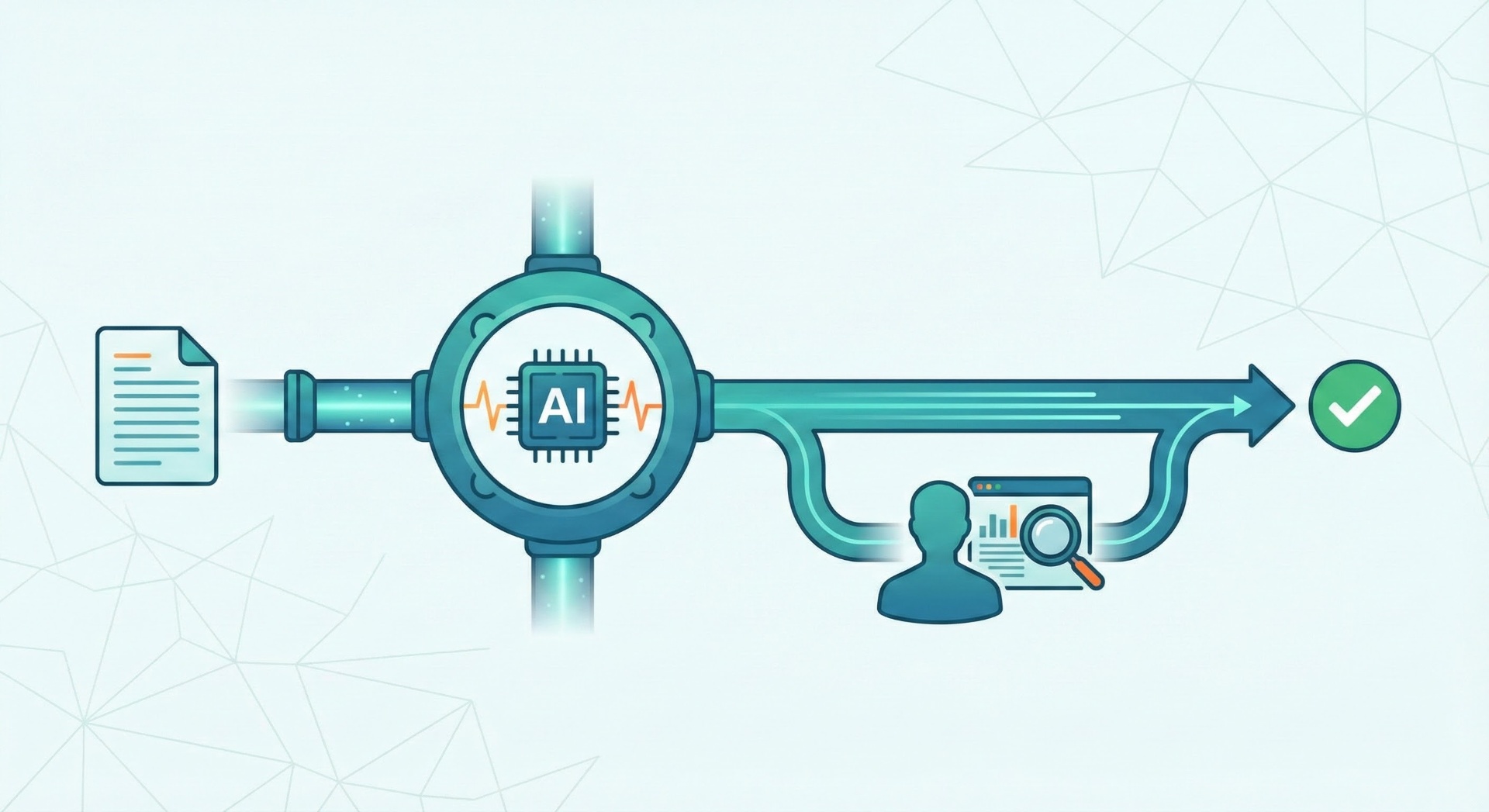
- Attach confidence scores and route low-confidence or high-impact fields to human reviewers.
What changes:
- Time spent on manual data entry falls dramatically.
- Data quality improves because the process is consistent and logged.
- Valuations and reporting can run off a more complete, current dataset.
Reporting and investor communications
Problem: Drafting LP letters and quarterly commentary consumes valuable senior time, and every revision round introduces risk.
AI play:
- Feed structured performance data, key events, and risk flags into a controlled prompt.
- Have AI draft sections of the LP letter and internal packs (performance overview, key drivers, notable events, risk and outlook).
- Keep approval and sign-off with humans, with clear redlines.
What changes:
- Drafting cycles shorten from weeks to days.
- Messaging is more consistent across LPs, boards, and internal audiences.
- The team can spend more time analyzing the "why" behind results.
Reconciliations and anomaly detection
Problem: Reconciliations between admin records, internal systems, and bank statements are slow and error-prone. Outliers are spotted late.
AI play:
- Train models on historical reconciliations and data flows.
- Use AI to flag transactions or positions that do not match expected patterns.
- Surface exceptions to the ops or finance team with suggested explanations.
What changes:
- Fewer manual "tick and tie" tasks.
- Earlier detection of mis-booked entries, stale valuations, or missing cash flows.
- Better audit conversations because issues were surfaced and resolved earlier.
Designing an AI playbook that doesn't blow up your controls
The fastest way to kill an AI program in fund ops is to scare your CCO, auditors, or LPs.
Avoid that by baking a few disciplines into the playbook.
1. Data security and privacy first
- Keep sensitive data in environments that match or exceed existing security standards.
- Avoid sending confidential documents to unmanaged public tools.
- Have clear policies for what can be processed where.
2. Model choice and observability
- Use models that are appropriate for the task and data sensitivity.
- Log which model and configuration was used for each operation.
- Monitor for drift in behavior as models update.
3. Human-in-the-loop where stakes are high
- Require human approval for anything that touches investor communications, valuations, capital activity, or official records.
- Make it obvious in your UI and workflows what was AI-suggested vs human-entered.
- Treat AI as a control enhancer, not a control replacement.
4. Documentation and audit trails
- Document your AI-enabled processes like you would any other critical control.
- Be prepared to explain to LPs and regulators how AI is used, where, and with what oversight.
Talent and operating model implications
You do not need a "Chief AI Officer for Ops," but you do need to adjust how the team works.
- Upskilling: train controllers, ops leads, and analysts on how AI fits into their workflows and how to review its outputs.
- Ownership: assign clear responsibility for AI-enabled processes – often to the Head of Operations or CFO, not IT alone.
- Cross-functional squads: pair ops, finance, and tech folks on pilots so the solution fits real workflows.
Over time, you will likely see new hybrid roles: people who understand both fund operations and automation deeply.
A practical 12-month roadmap
You can do meaningful work in a year without boiling the ocean.
Months 0–3: Discover and prioritize
- Map your major workflows and quantify effort and pain.
- Identify 3–5 candidate use cases where tasks are high-volume, structured, and low on judgment.
- Align with compliance and risk on guardrails.
Months 3–9: Run focused pilots
- Pick 2–3 use cases (for example, document ingestion, LP letter drafting support, reconciliations).
- Implement AI into those flows with strong human oversight.
- Measure time saved, error rates, and user satisfaction.
Months 9–12: Standardize and scale
- Turn successful pilots into documented standard operating procedures.
- Integrate them more deeply with your systems.
- Retire legacy manual steps where appropriate.
If a pilot fails, treat it as data: was it the wrong process, the wrong model, or the wrong expectations?
How to know if your AI program is working
You should be able to show, in concrete terms, that:
- Certain recurring tasks now take materially less time.
- Error rates in those workflows have decreased or are more visible.
- Your team spends more time on analysis, judgment, and LP interaction – not less.
If, instead, you see:
- Shadow spreadsheets emerging again,
- People manually re-checking everything AI does without learning from it, or
- Confusion about which numbers are "official,"
then the issue is not AI as a concept. It is the way it has been integrated into your operating model.
The good news: fund operations is exactly where disciplined, well-governed AI can create value fastest. You already have the structure. AI just gives you better leverage.
Ready to see how AI fits into your fund operations? Book a demo and we will walk through practical use cases tailored to your workflows.