For decades, private capital ran on one core assumption: if you wanted structured portfolio data, you had to force it upstream.
That meant templates. Portals. Quarterly reporting frameworks. Endless emails begging founders to fill out forms they will never prioritize - because they have a company to build, not a spreadsheet to maintain.
Every GP knows this pain. You design the perfect intake form. You send it with a polite deadline. Two weeks later, 30% of your portfolio has responded. Half of those responses are incomplete. The other half have numbers that don't reconcile with what you already know.
So you chase. You cajole. You assign an analyst to spend 20 hours a quarter copy-pasting from PDFs and emails into your internal tracker. And at the end of that exercise, you have data that is already 60 days stale by the time it hits your LP report.
This model was never efficient. It was just the only option.
That era is over.
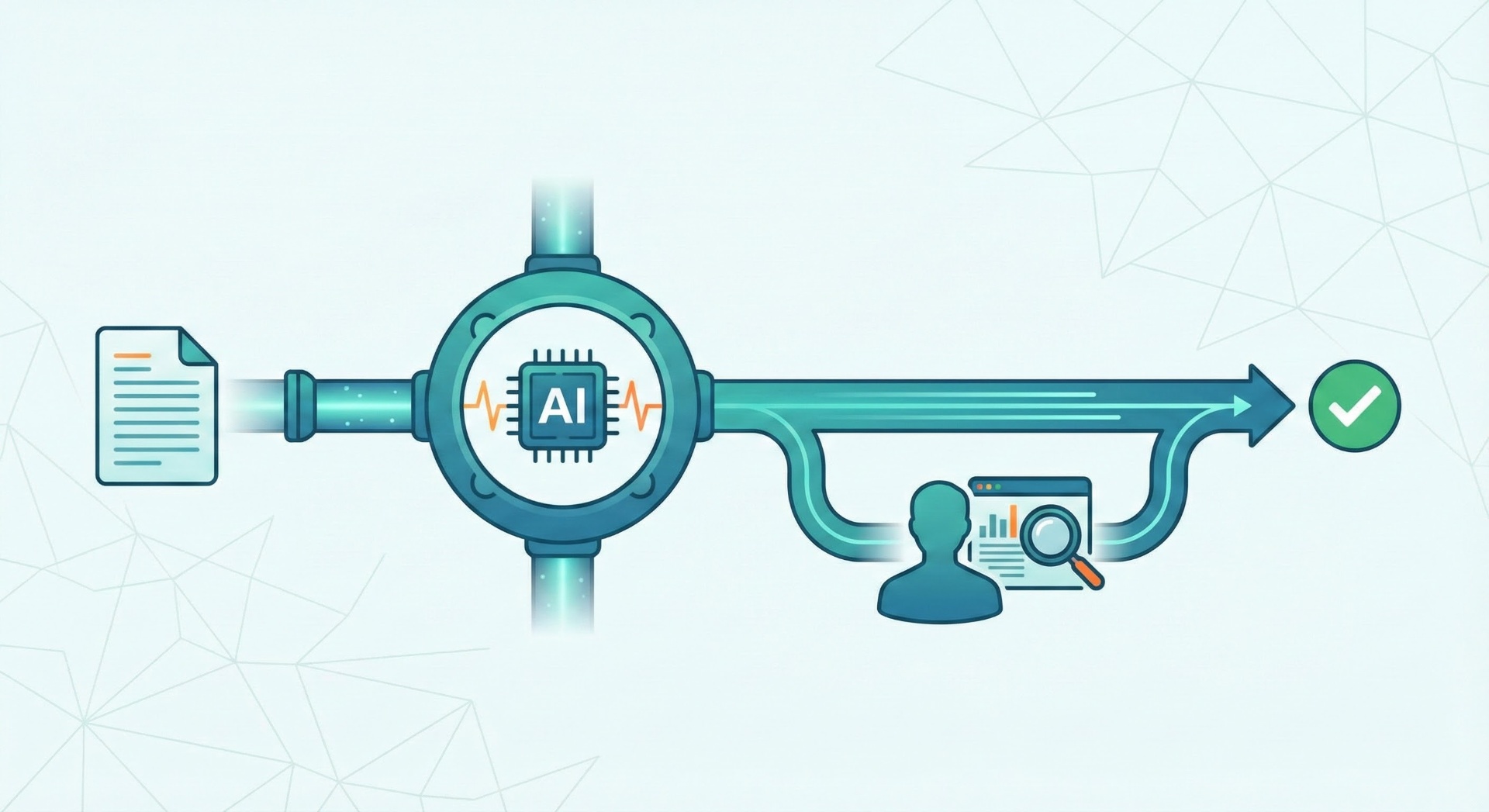
Trained extraction agents with well-defined agentic skills, a proper harness, and a human in the loop can now take any document in any format and deliver structured, audit-ready intelligence. No portal required. No founder burden. No quarterly lag.
The shift is not incremental. It is architectural. Instead of asking 50 founders to conform to your template, you deploy 171 specialized extraction agents that read what founders already produce - board decks, financial statements, cap table exports, investor updates, distribution notices - and pull every relevant data point with full provenance tracking.
This changes three things simultaneously:
Founders stop burning hours on reporting portals. The best founders are already sending updates. They just send them in their own format, on their own schedule. Extraction agents meet them where they are, not where your portal demands they go.
LPs stop committing capital blind. When your portfolio truth updates continuously instead of quarterly, LPs get the visibility they are paying for. No more 60-90 day waits for updates that arrive stale. The information asymmetry that has defined private markets for decades starts to compress.
GPs who surface portfolio health in real time win competitive deals. The best deal flow goes to the managers who can demonstrate operational excellence. When a co-investor asks "what's the current revenue run rate on Company X?" and you can answer in seconds instead of days, that is a structural advantage that compounds over time.
Public markets solved this decades ago. Bloomberg terminals, standardized EDGAR filings, real-time pricing feeds - the infrastructure exists because someone built it. Private markets just never had the tools.
The reason is simple: the cost structure never worked. Human reviewers extracting data from unstructured documents at $150 per hour cannot scale to cover 50 portfolio companies across 30 document types. The math breaks before you get to your second fund.
Specialized extraction agents change the math entirely. Purpose-built models trained on a single data field, validated across multiple LLMs, running at a fraction of the cost of a single analyst - that is how you bring public-market clarity to private capital.
The firms that understand this are already moving. The ones still debating whether to "build or buy" a reporting portal are optimizing a model that is about to become irrelevant.
Your portfolio data is already flowing. The only question is whether you are capturing it.
Keith Smith is the Co-Founder and CEO of GoodStream, which delivers real-time portfolio intelligence for venture capital. GoodStream has been generally available since May 2026.