Fifty-two percent of buyout-backed portfolio companies have been held for four or more years. That's the highest on record. Average holding periods have stretched to 6.6 years.
We're deep into harvest season. And LPs know it.
In Goldman Sachs' latest survey of 223 LPs, lack of distributions was cited as the number one factor impacting deployment decisions. Forty-five percent of respondents said they're adjusting their pacing or commitment sizes as a direct result.
That's not a sentiment shift. That's a structural change in how capital gets allocated.
I spent nine years at Payability watching the gap between what investors knew about their portfolios and what they could actually prove to their stakeholders. Back then, the data lag was frustrating but manageable - quarterly updates were the standard, and nobody expected much more.
That era is over.
The Re-Up Conversation Has Changed
The re-up conversation used to center on entry multiples and markups. "We got in early. The company's growing. Trust us."
Now it starts with two questions: "When do I get cash back?" and "Show me how you know."
LPs have been burned by the denominator effect, by unrealized markups that never converted to DPI, and by funds that reported strong paper returns while distributions stayed flat. The trust-based model of LP reporting is giving way to a data-driven one - and the transition is happening faster than most GPs realize.
The Visibility Problem
Most fund managers aren't short on good portfolio companies. The deal selection isn't the issue.
What they're short on is the real-time performance visibility to prove it.
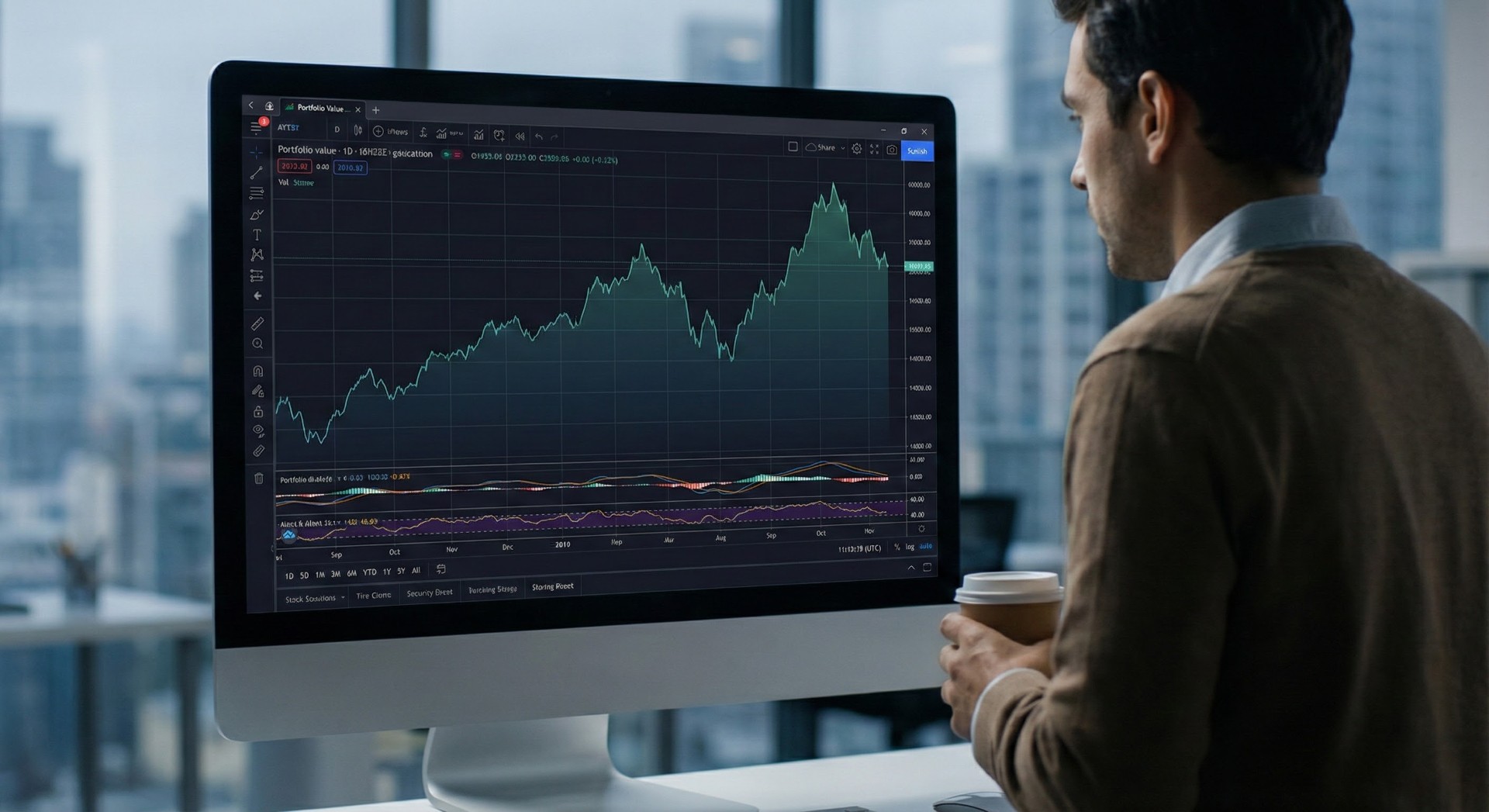
Burn rates across thirty portfolio companies. Revenue trajectories updated more frequently than once a quarter. Scenario analysis that shows distribution timing under multiple exit assumptions. Cap table changes that happened two months ago but still haven't been processed into the fund's reporting system.
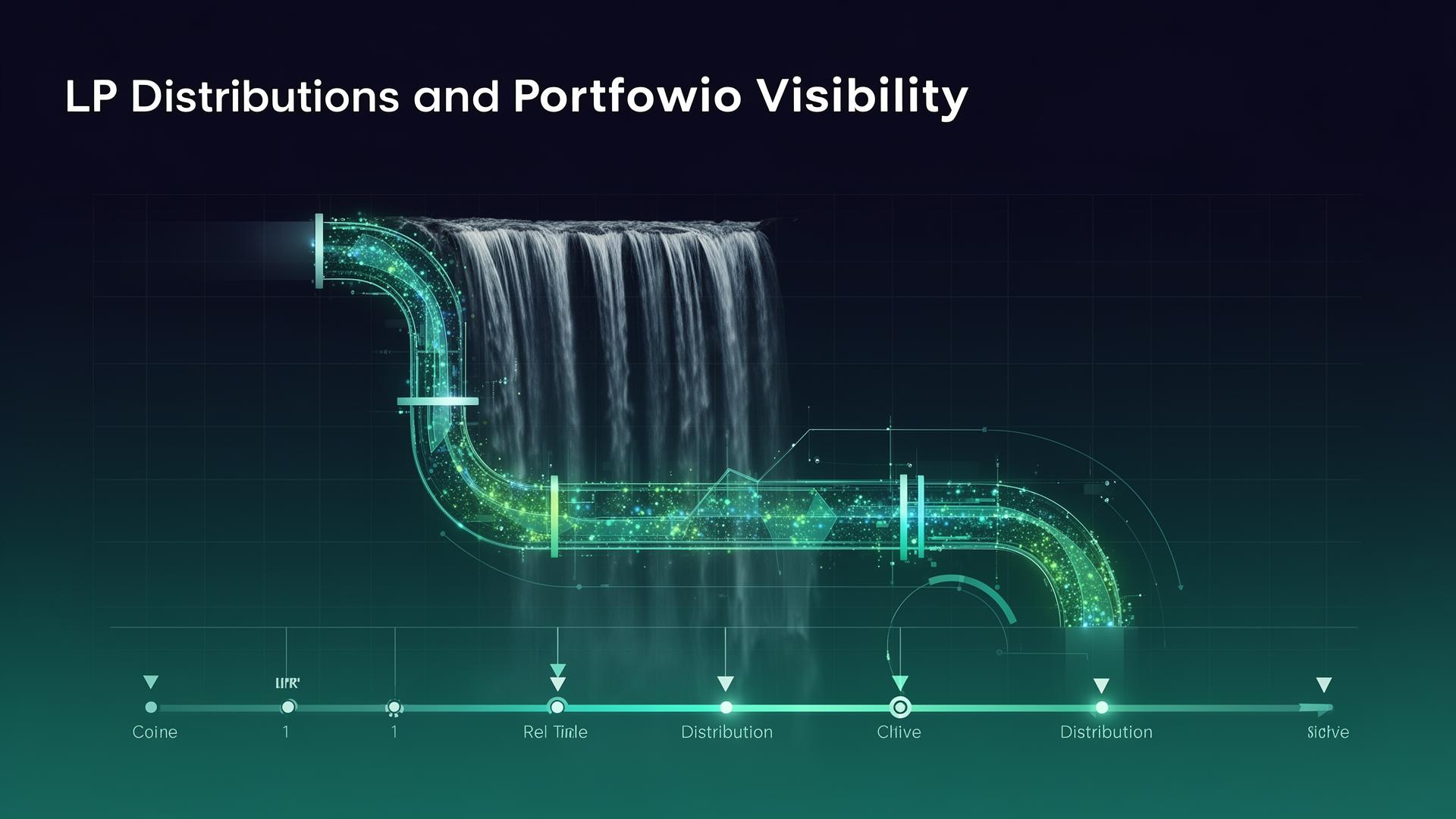
That gap between "we think distributions start Q3" and "here's the data across every company right now" is exactly what LPs are evaluating when they decide whether to re-up.
Why This Is a Data Problem, Not a Storytelling Problem
The instinct for most GPs is to tell a better story. Build a stronger narrative. Polish the quarterly letter. And yes, communication matters.
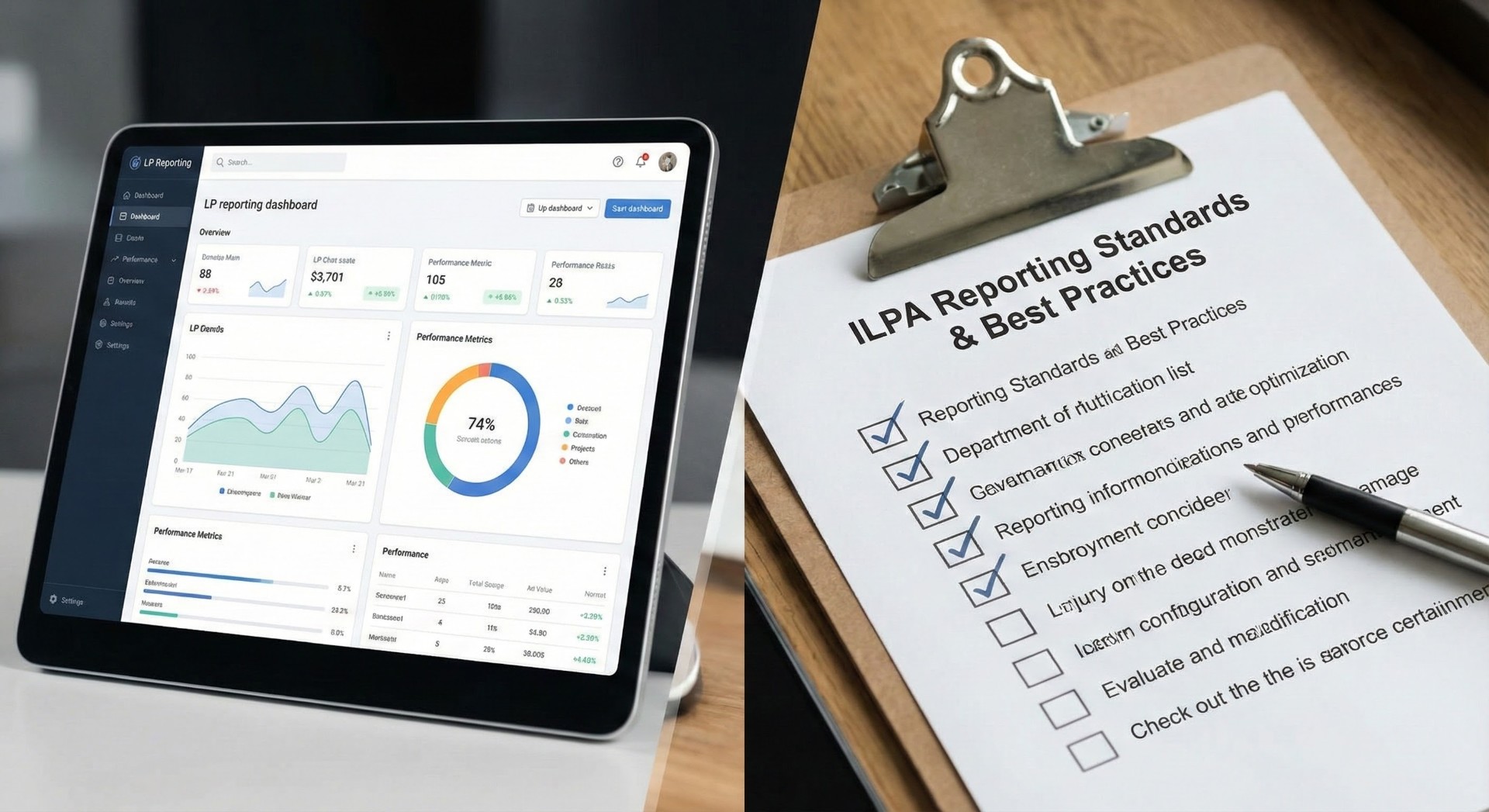
But the LP who's adjusting their pacing based on distribution timelines doesn't want a narrative. They want data. They want to see the trajectory of each portfolio company's cash position, the realistic exit timeline based on current market conditions, and the probability-weighted distribution schedule across the fund.
That's not something you can produce from a quarterly board deck and a spreadsheet that's three months stale.
The Compounding Advantage
The funds that can answer the distribution question with data - not narratives, not promises, not "we're tracking ahead of plan" - are the ones that get the re-up. They're also the ones that build compounding trust with their LP base over time.
Every quarter you can show real-time portfolio data rather than lagged estimates, you're building a track record of transparency. That track record compounds. The LP who sees data-backed distribution projections in Q1 is more likely to take the meeting in Q4. The LP who gets proactive updates when a portfolio company misses plan is more likely to trust your next fund.
This isn't about having the best portfolio. It's about knowing your portfolio well enough to prove it.
The Operational Reality
Most funds don't have the infrastructure to answer the distribution question in real time. Their data sits in inboxes, PDF attachments, spreadsheets maintained by an already-overloaded ops team, and whatever their fund admin sends back on a quarterly cycle.
The ops person responsible for aggregating this data is usually the same person handling investor relations, compliance, capital calls, and half a dozen other functions. They're not failing - they're overwhelmed.
This is where purpose-built portfolio intelligence changes the equation. Not by replacing the ops team, but by eliminating the manual extraction and data wrangling that eats 40% of their capacity. When portfolio documents flow in automatically, get extracted and validated in real time, and surface into a living view of fund performance - the distribution question becomes answerable at any moment, not just at quarter-end.
LPs aren't asking if you have good companies. They're asking if you know your own portfolio well enough to prove it.
The answer to that question is now a competitive advantage.
Ready to see what real-time portfolio intelligence looks like? Book a demo and we'll show you how funds are answering the distribution question with data.